






















Critical Link to Future-Proof NATO Communication
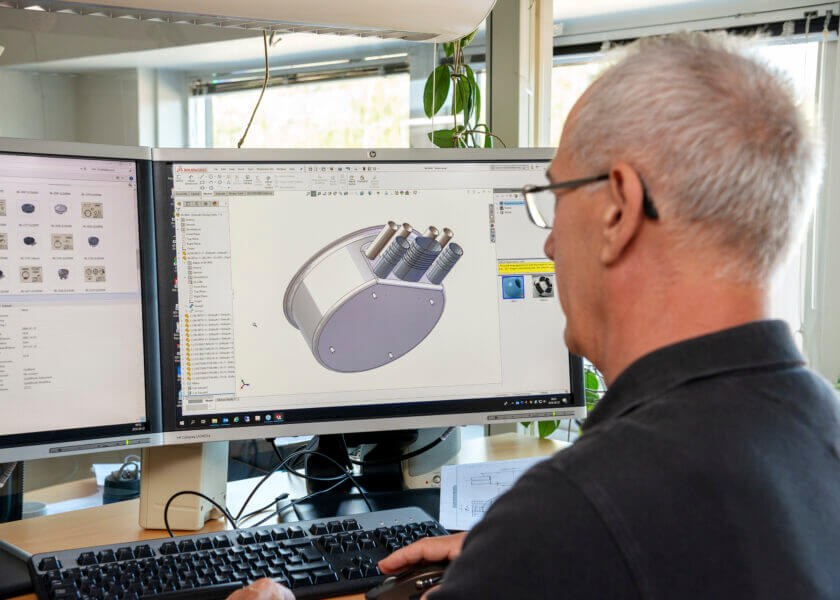
A crucial aspect of building preparedness is securing the distribution of electricity and digital information. A stainless steel box can make all the difference, explains Richard Petersson Wigh at Tykoflex.

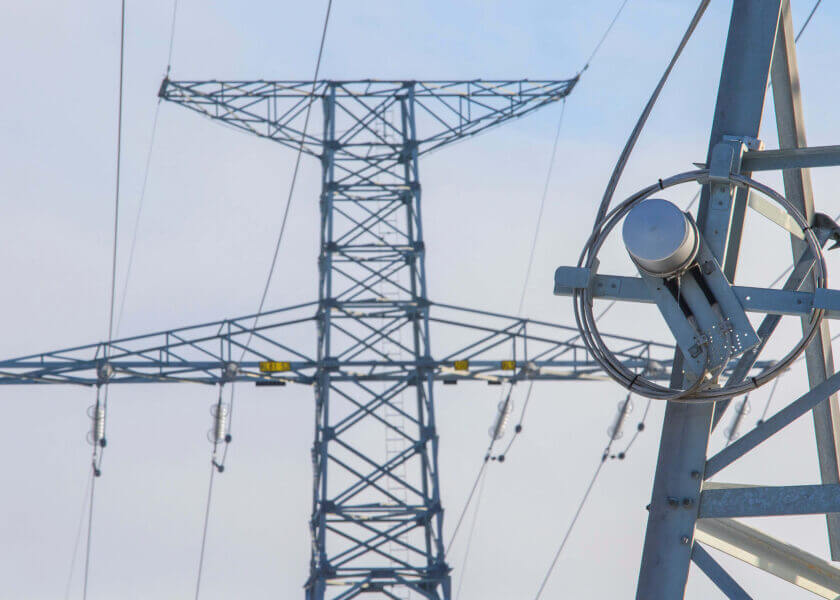
Dark cities, halted public transport, and difficulties in obtaining information. If power and fiber networks were disrupted by sabotage or attacks, the societal consequences would be significant. Can infrastructure be future-proofed, and if so, how?
„A key part of creating preparedness capability and a robust infrastructure is to build communication networks that require minimal maintenance,“ says Richard Petersson Wigh, CEO of Tykoflex.
Field Lifespan of 35 Years
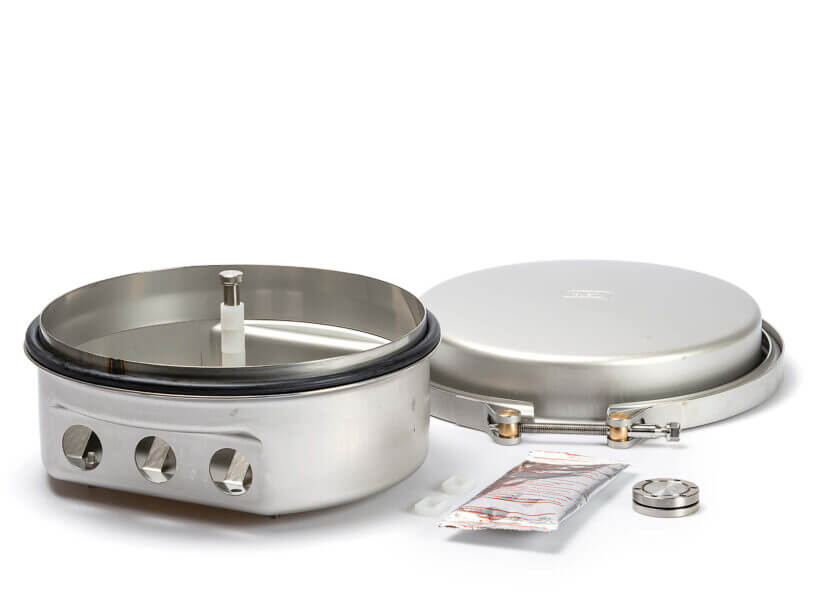
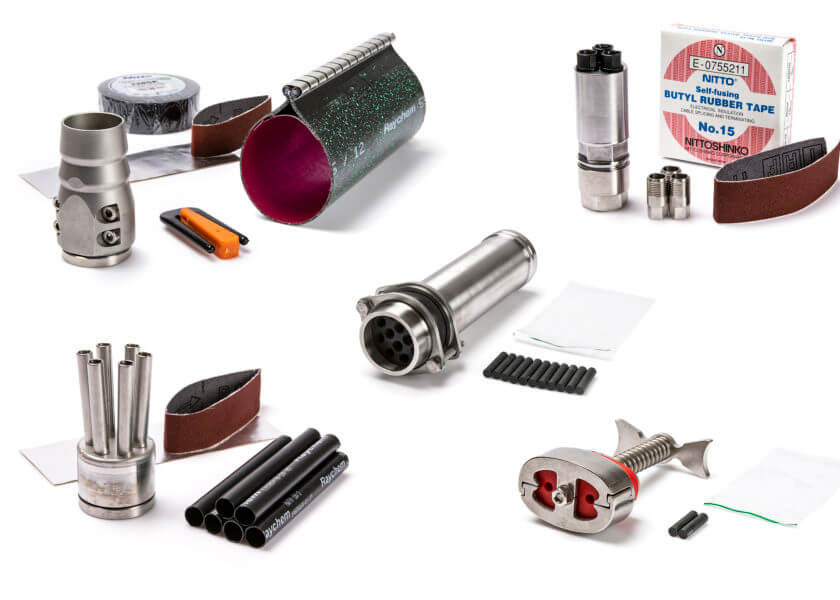
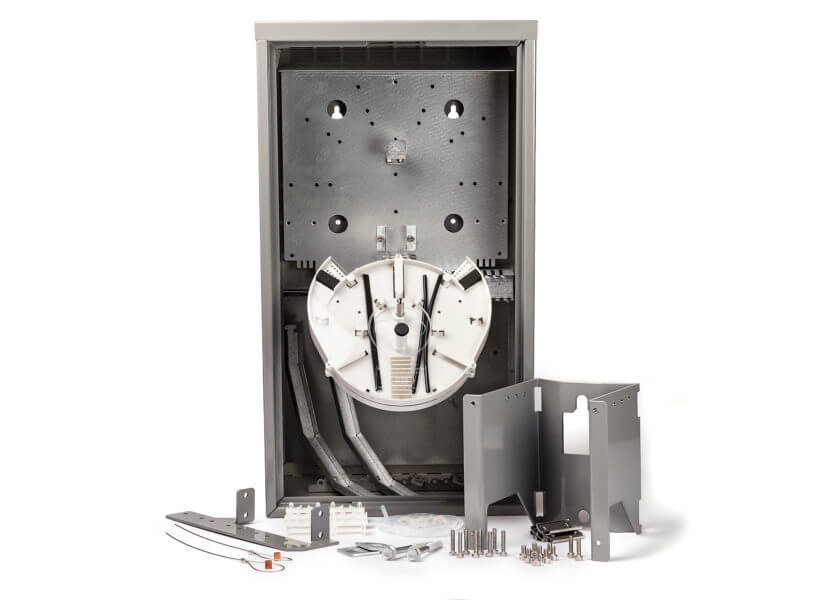
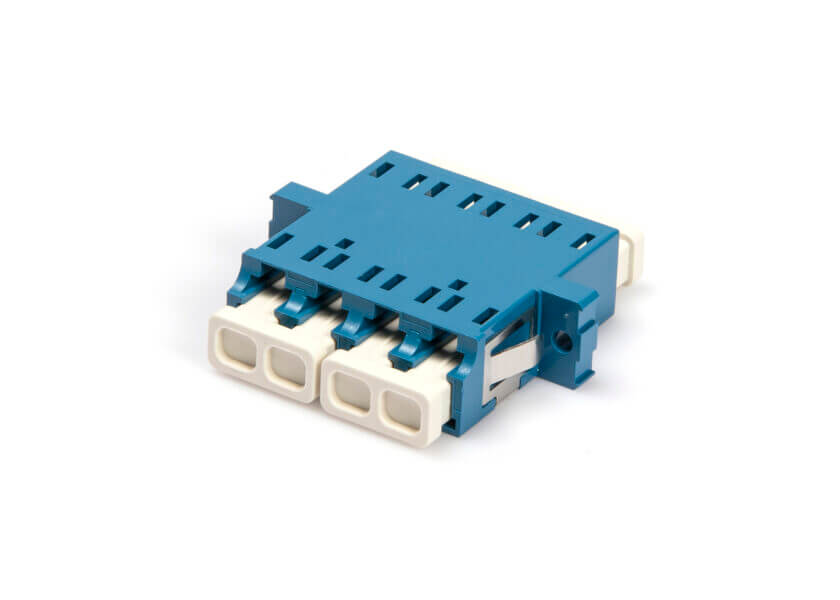
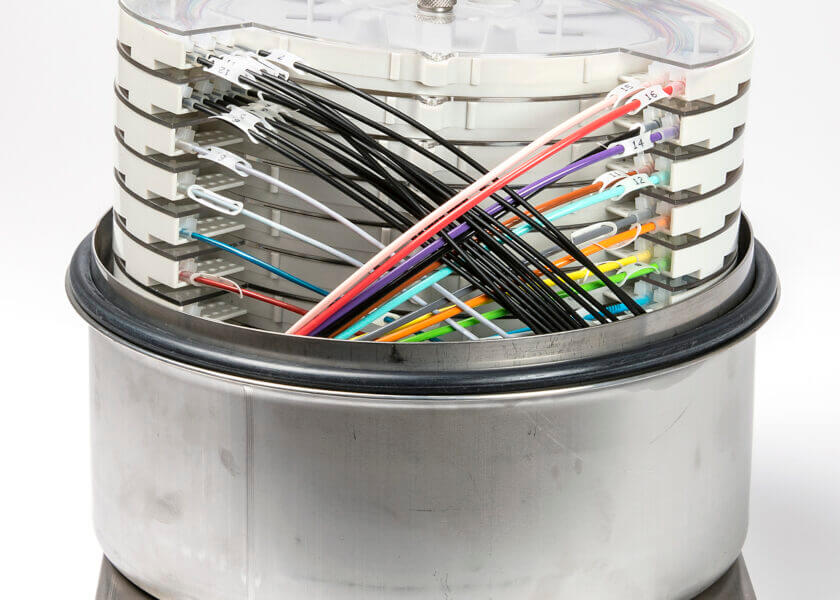
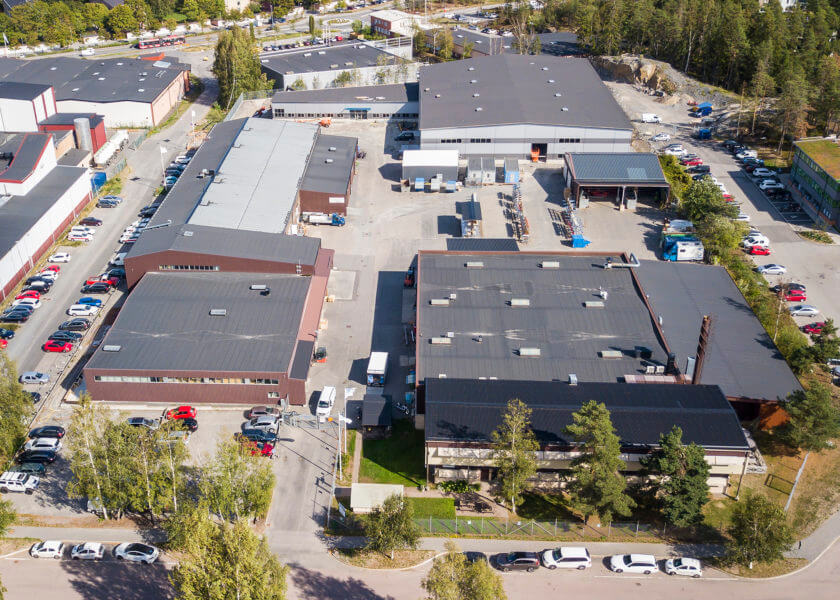
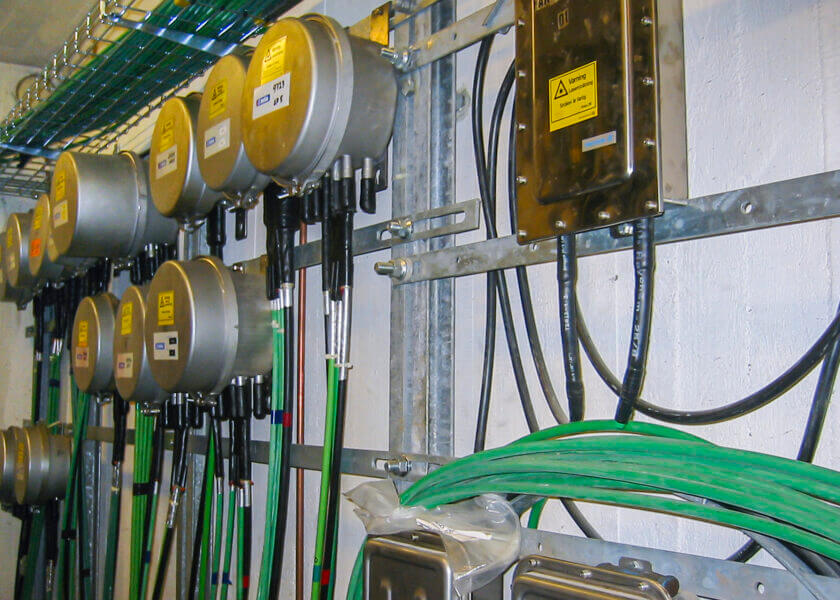
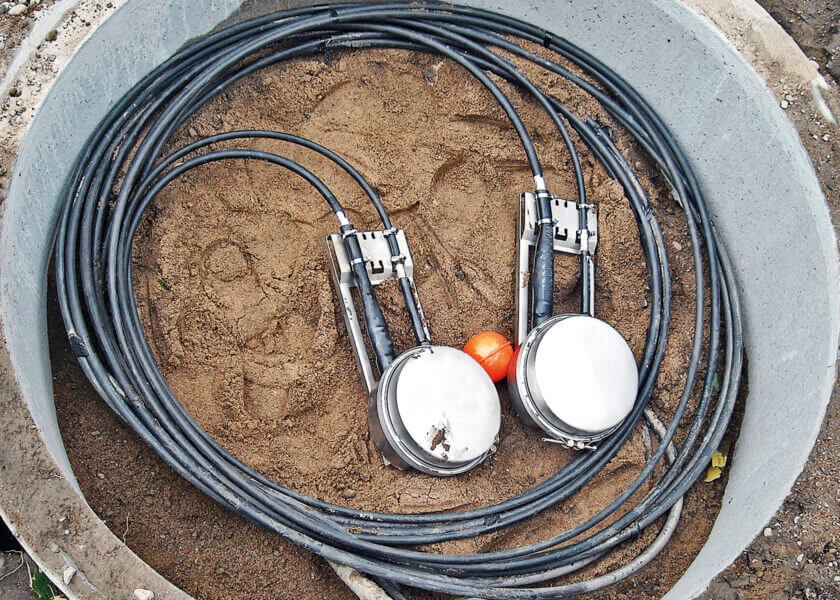
Tykoflex, whose development, production, and sales occur in Tyresö just outside Stockholm, has been providing solutions with clients like the Swedish Armed Forces and Televerket since 1958. Their product portfolio includes stainless steel fiber splice boxes. A splice box is used to extend and connect optical fibers.
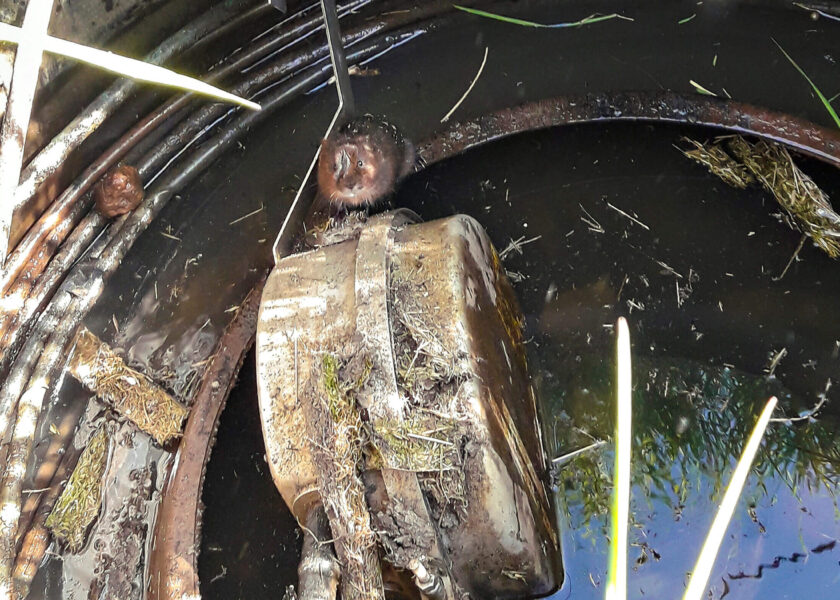
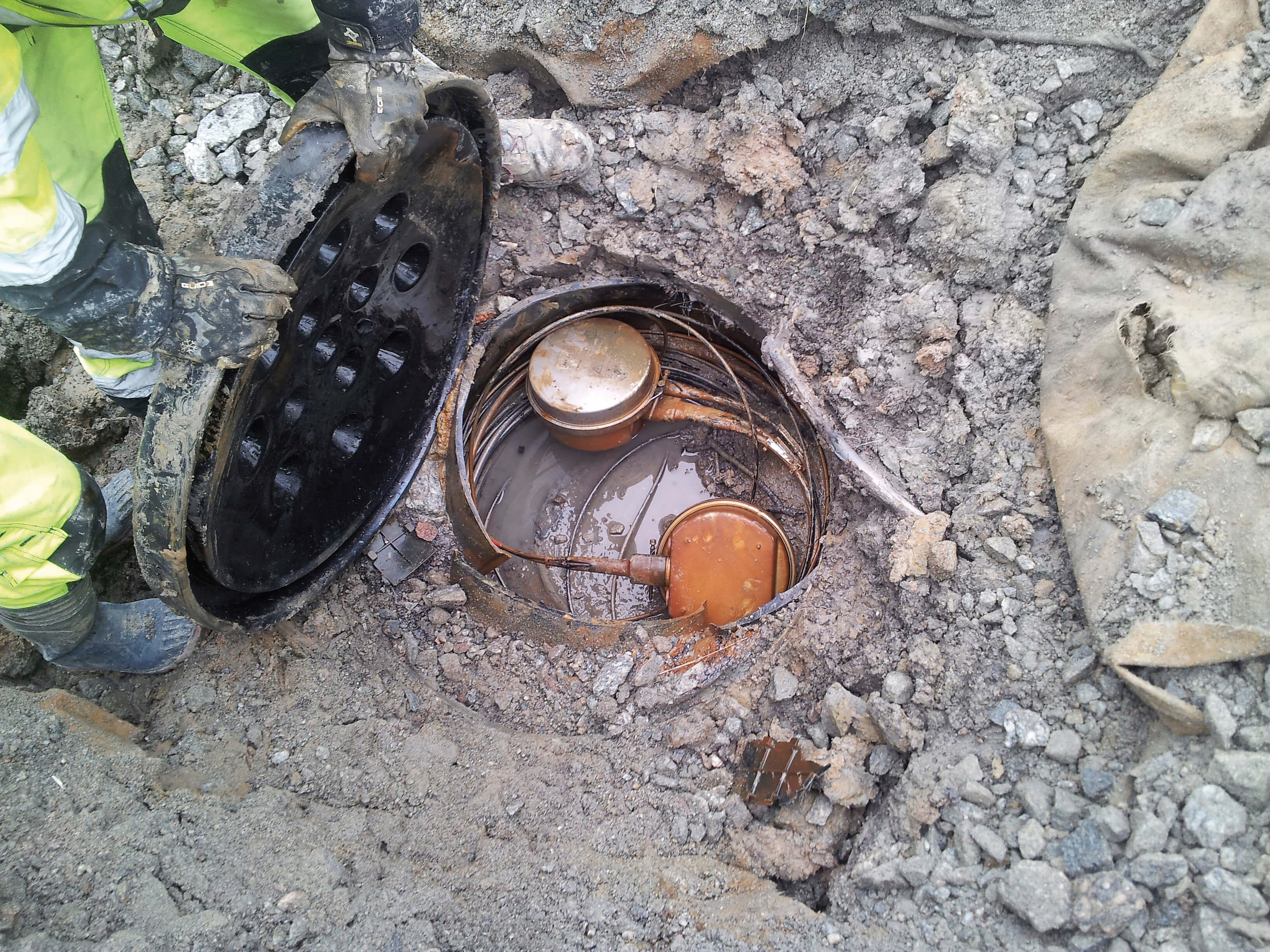 „Internationally, it’s common to buy cheaper plastic boxes, which often age quickly in harsh environments. Considering the war in Ukraine, it’s not feasible to replace existing splice boxes there now, but the need might arise,“ says Richard Petersson Wigh, adding, „We produce high-quality stainless steel products that future-proof infrastructure. Our largest product series, the T240 splice box, functions optimally even after 35 years in the field. We have maintained the same interface and foundation, allowing system upgrades during its lifespan.“
World Record in Submarine Cable Splice
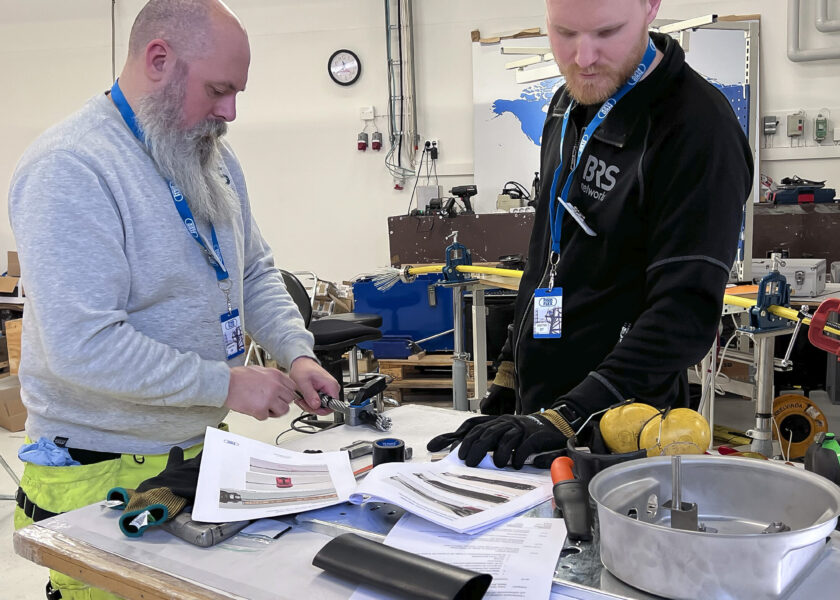
Tykoflex works with what they call „true sustainability.“ All products are developed to last long while meeting current and future environmental standards. Ninety percent of their suppliers are in the Nordic region, securing the supply chain. All innovation occurs in close collaboration with customers.
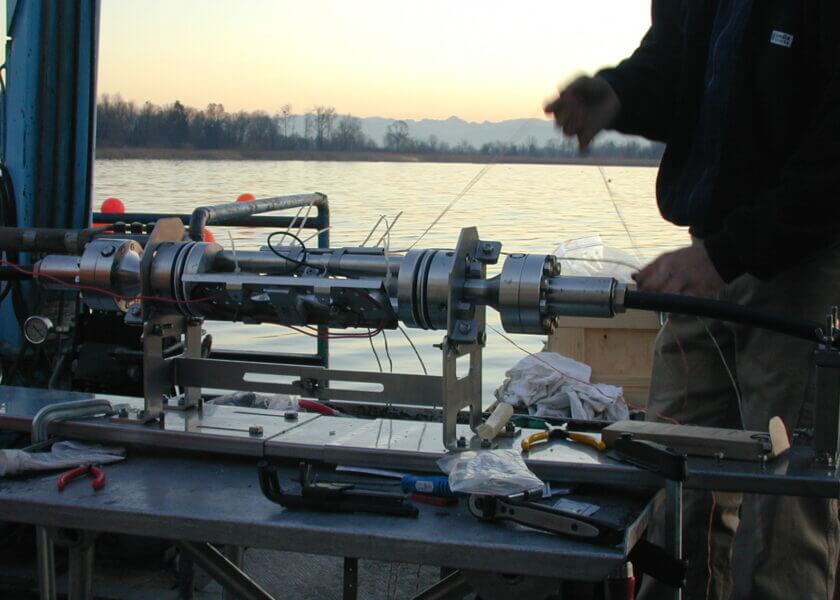
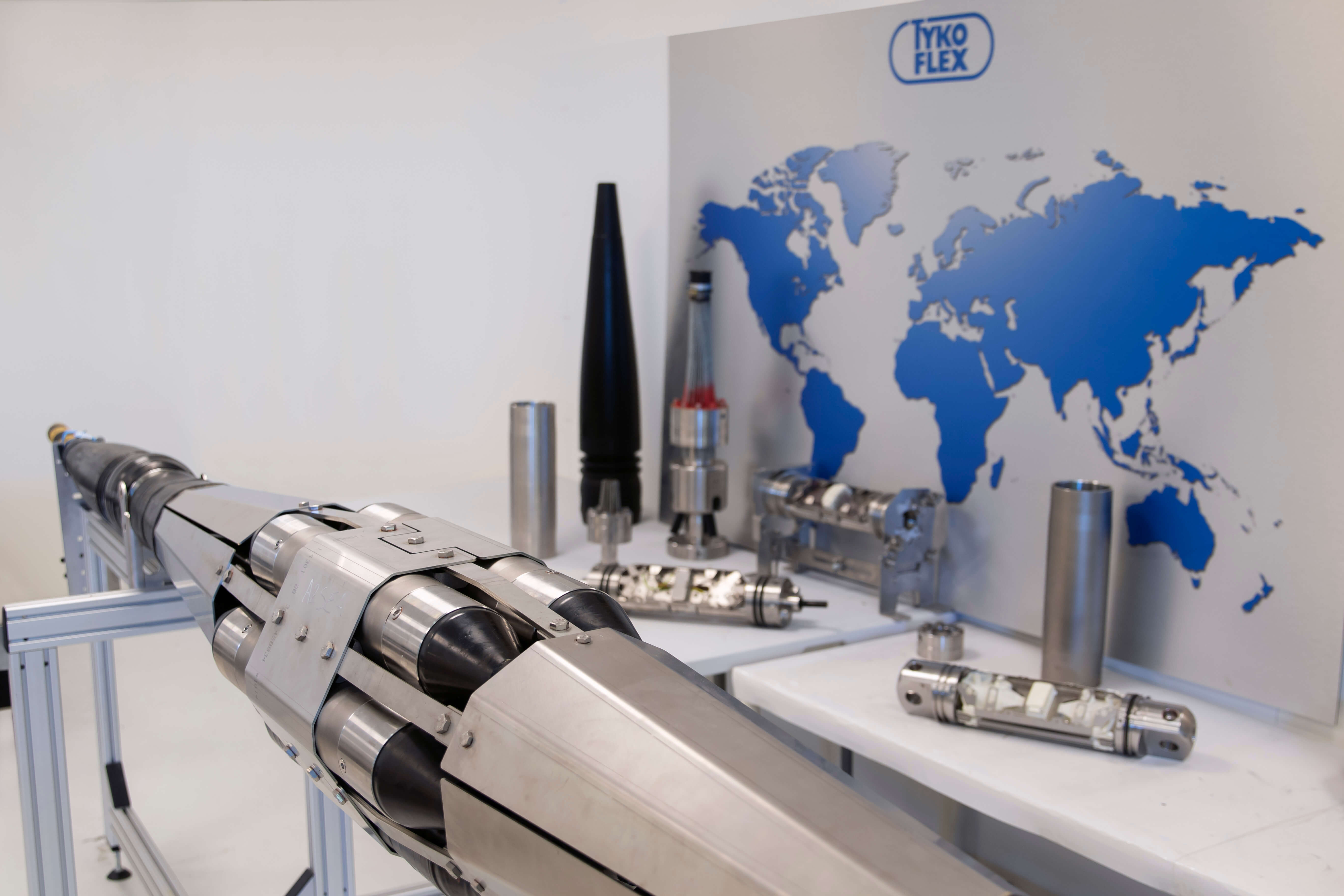 „An example of innovation we developed with a customer is what we consider a world record in submarine cable splicing. This project on the US west coast involved delivering a splice handling 1,728 fibers. It is nine times larger than the largest splices in the Baltic Sea today. The product was developed in two years, which is incredibly fast for this industry,“ says Richard Petersson Wigh, continuing, „Sweden and Tykoflex have much to contribute. We are happy to strengthen preparedness and robustness not only in the Nordic region but throughout NATO in the future.“
Article from Dagens Industri’s supplement, NATO and the New Sweden.
Note: This text was translated with the assistance of AI to ensure accuracy and clarity.